



 English
  Tiếng Việt
 When you prepare for a long trip, especially international trips, one of the major issues many people often face is how to use their electronic devices conveniently and efficiently. Electronic devices such as phones, laptops, cameras, or other charging devices often need to be connected to power outlets in hotel rooms, airports, or other locations. However, if you travel to a country with a different socket system and voltage, using these devices can be challenging. This is when a travel adapterbecomes an ideal solution. Introduction to the Concept of Travel Adapter A travel adapter
 A travel adapter not only helps you convert between different plug types but can also help you convert voltage (depending on the type of travel adapter). Some travel adapters also integrate overload protection and short circuit protection features, helping to protect your electronic devices from unwanted incidents.
 Some travel adapters also integrate lightning protection functions, helping to protect your devices from incidents caused by lightning strikes or power surges. This is particularly useful on trips to areas with unstable weather conditions.


is an electrical device designed to help you use your electronic devices in countries with socket standards incompatible with your country's plug standards. Most countries around the world use different types of sockets and plugs, so a travel adapter will help you easily convert your plug to one that fits the standard of the country you are visiting. A travel adapter not only helps you convert between different plug types but can also help you convert voltage (depending on the type of travel adapter). Some travel adapters also integrate overload protection and short circuit protection features, helping to protect your electronic devices from unwanted incidents. Why Do You Need a Travel Adapter on Trips? 1. International Compatibility One of the biggest reasons you need a travel adapter is the difference in socket standards in different countries. Each country may use a different type of socket, from two round pins (Type C) to three square pins (Type G). This can cause trouble when you bring electronic devices that need charging but cannot plug into the power outlet. Travel adapters usable in countries worldwide A travel adapter is a solution that ensures your device can be connected to any type of socket, thus avoiding communication, work disruptions, or loss of connection during long trips. 2. Space and Money Saving Instead of carrying a separate adapter for each country, a travel adapter can support multiple plug types. You only need to bring one device, saving space in your luggage and avoiding additional expenses for purchasing multiple adapters. Most travel adapters today are designed to be very compact, easily fitting into a backpack or handbag without taking up too much space. Additionally, you don't have to worry about losing or forgetting an adapter when visiting countries with different socket systems. 3. Ensuring Safety An essential factor when using a travel adapter is the protection of your electronic devices. Some high-end travel adapters are equipped with overload protection features, which stop the power supply when the current exceeds safe levels, thereby protecting your devices from damage. This is crucial when you have to use devices in different environments with varying voltage and frequency standards. Some travel adapters also integrate lightning protection functions, helping to protect your devices from incidents caused by lightning strikes or power surges. This is particularly useful on trips to areas with unstable weather conditions. 4. Solving Voltage Issues Some travel adapters also integrate the ability to convert
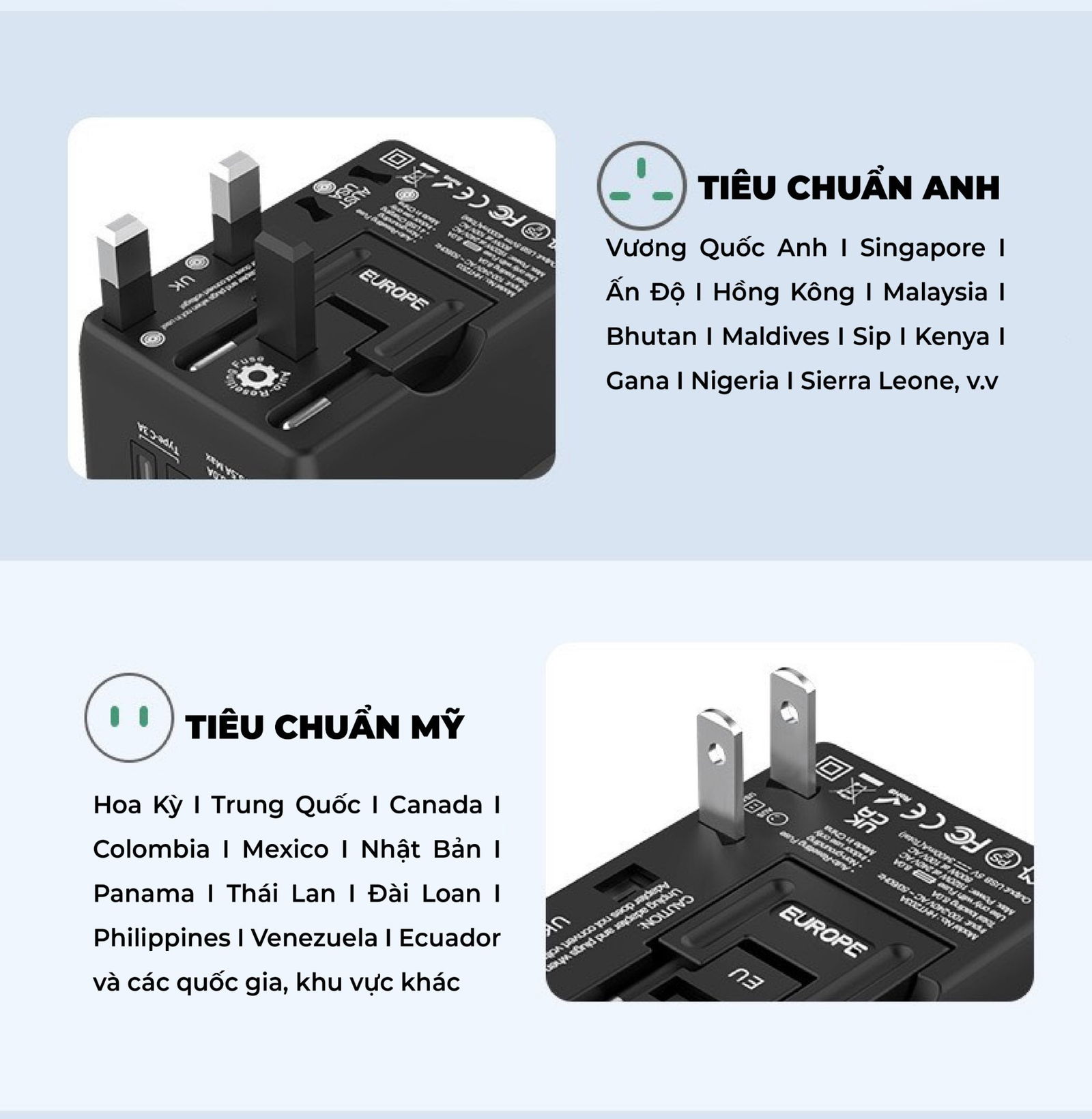
A travel adapter is an electrical device designed to help you use your electronic devices in countries with socket standards incompatible with your country's plug standards. Most countries around the world use different types of sockets and plugs, so a travel adapter will help you easily convert your plug to one that fits the standard of the country you are visiting.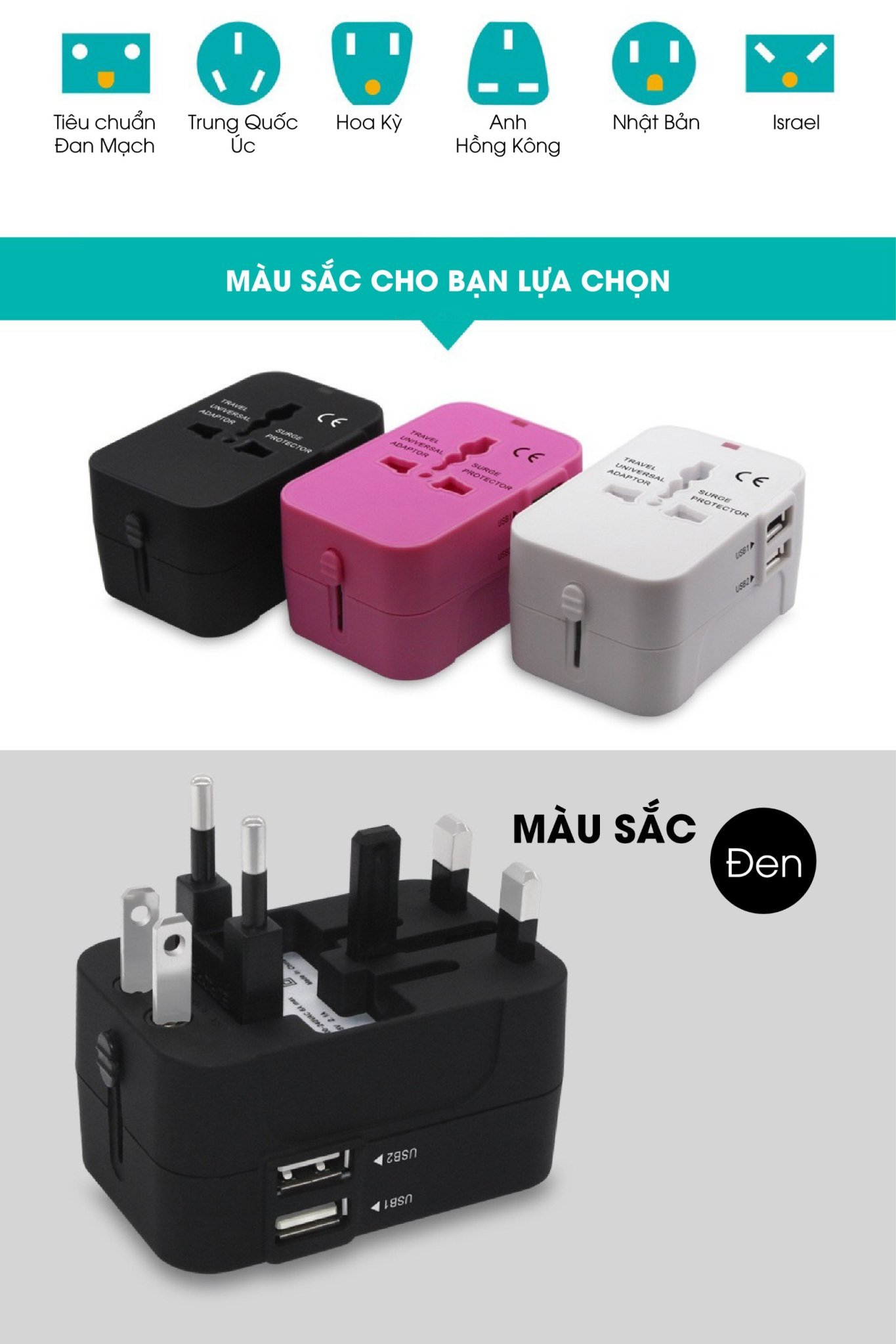 A travel adapter not only helps you convert between different plug types but can also help you convert voltage (depending on the type of travel adapter). Some travel adapters also integrate overload protection and short circuit protection features, helping to protect your electronic devices from unwanted incidents.
Why Do You Need a Travel Adapter on Trips?
1. International Compatibility
One of the biggest reasons you need a travel adapter is the difference in socket standards in different countries. Each country may use a different type of socket, from two round pins (Type C) to three square pins (Type G). This can cause trouble when you bring electronic devices that need charging but cannot plug into the power outlet.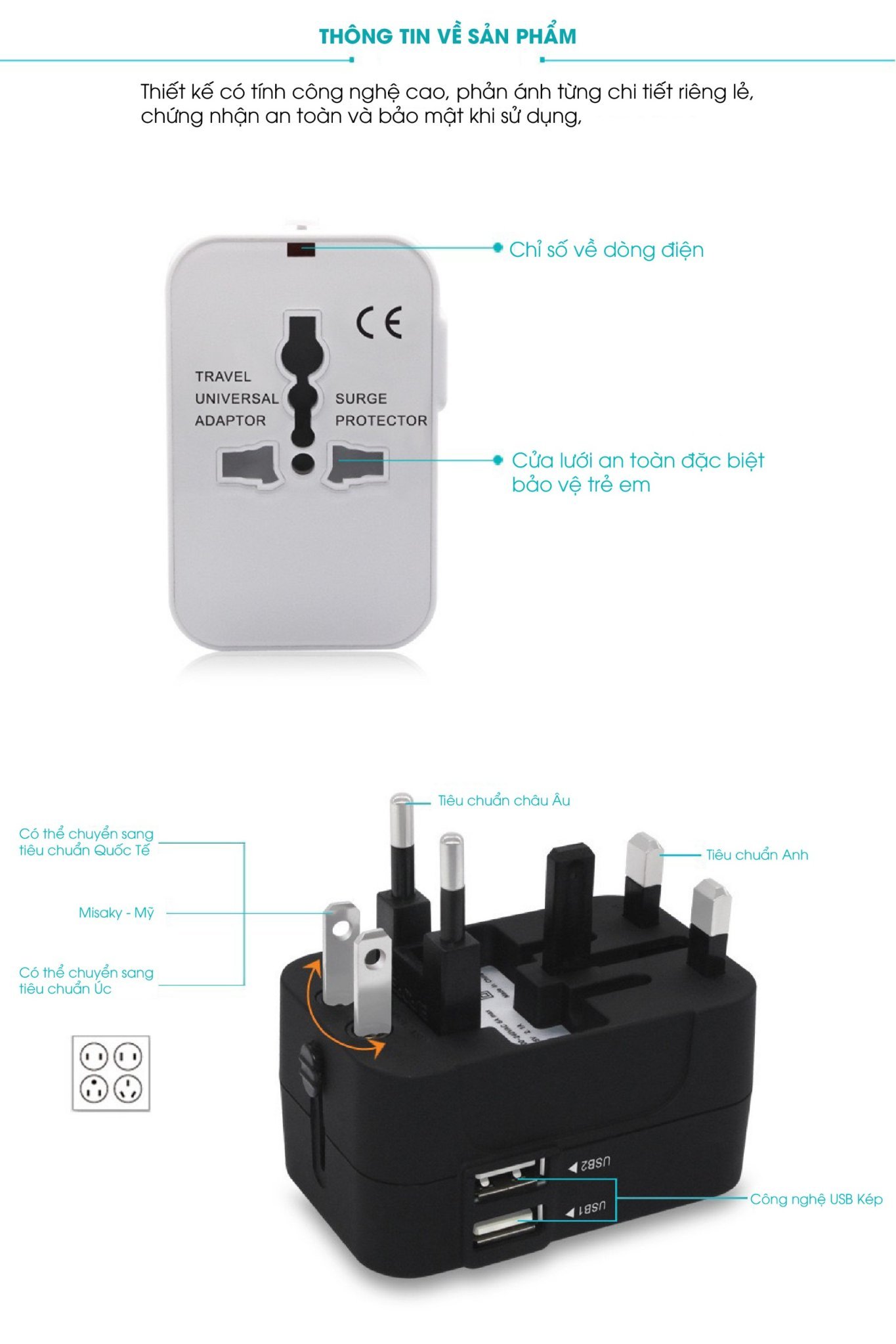
Travel adapters usable in countries worldwide
A travel adapter is a solution that ensures your device can be connected to any type of socket, thus avoiding communication, work disruptions, or loss of connection during long trips.2. Space and Money Saving
Instead of carrying a separate adapter for each country, a travel adapter can support multiple plug types. You only need to bring one device, saving space in your luggage and avoiding additional expenses for purchasing multiple adapters. Most travel adapters today are designed to be very compact, easily fitting into a backpack or handbag without taking up too much space. Additionally, you don't have to worry about losing or forgetting an adapter when visiting countries with different socket systems.3. Ensuring Safety
An essential factor when using a travel adapter is the protection of your electronic devices. Some high-end travel adapters are equipped with overload protection features, which stop the power supply when the current exceeds safe levels, thereby protecting your devices from damage. This is crucial when you have to use devices in different environments with varying voltage and frequency standards.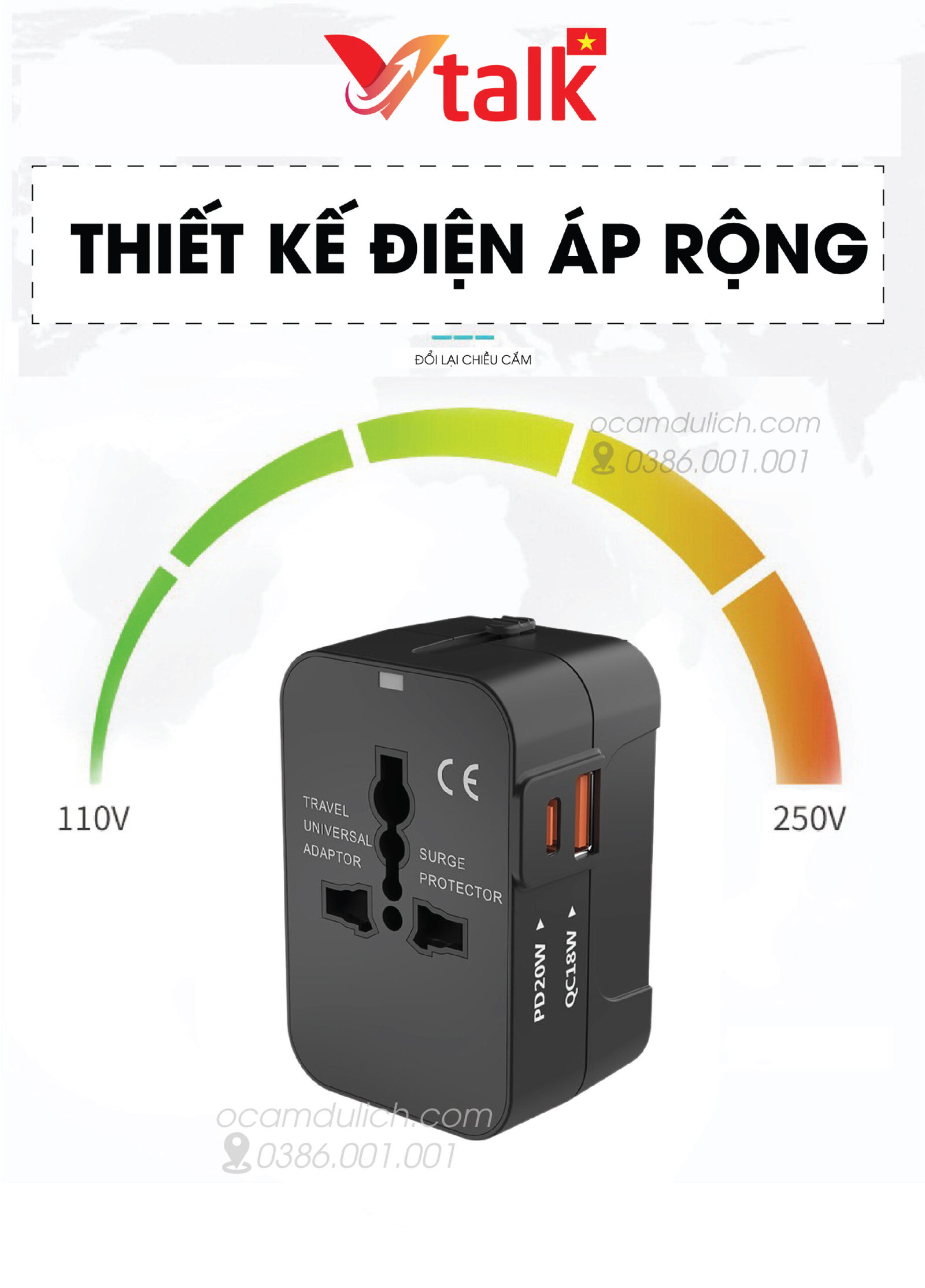 Some travel adapters also integrate lightning protection functions, helping to protect your devices from incidents caused by lightning strikes or power surges. This is particularly useful on trips to areas with unstable weather conditions.
4. Solving Voltage Issues
Some travel adapters also integrate the ability to convert voltage. This is extremely important when you travel to countries with a different voltage than your home country. For example, the voltage in the US is usually110V, while many European countries use220V. If your device does not support a wide voltage range, using a voltage converter along with a travel adapter is essential.A voltage converter helps your device operate normally without issues due to too high or too low voltage. However, a voltage converter does not change your plug type, so you still need to use a travel adapter to switch between different plug types. The Difference Between a Travel Adapter and a Voltage ConverterAlthough both travel adapters and voltage converters help you use electronic devices in different countries, they have different functions and need to be clearly understood to avoid confusion.
Travel Adapter- A travel adapter primarily helps you: convert plugsfrom one type to another, so they fit the socket system of the country you are visiting. However, a travel adapter does not change the voltage, meaning you still need to ensure your device can withstand the voltage of that country.Voltage Converter
- A voltage converter's task is to: convert voltagebetween countries with different voltages. If you go to a country with a higher or lower voltage than your device, the converter will help adjust it so the device operates normally without issues. However, a voltage converter cannot change your plug type, so you still need to use a travel adapter.List of Countries and Plug Standards Compatible with Travel Adapters
Before you set off, you need to be aware of the electrical plug standards of the country you are visiting, as each country uses different types of sockets and plugs. Below are some common plug standards and the countries that use them:
Types of sockets and electrical plugs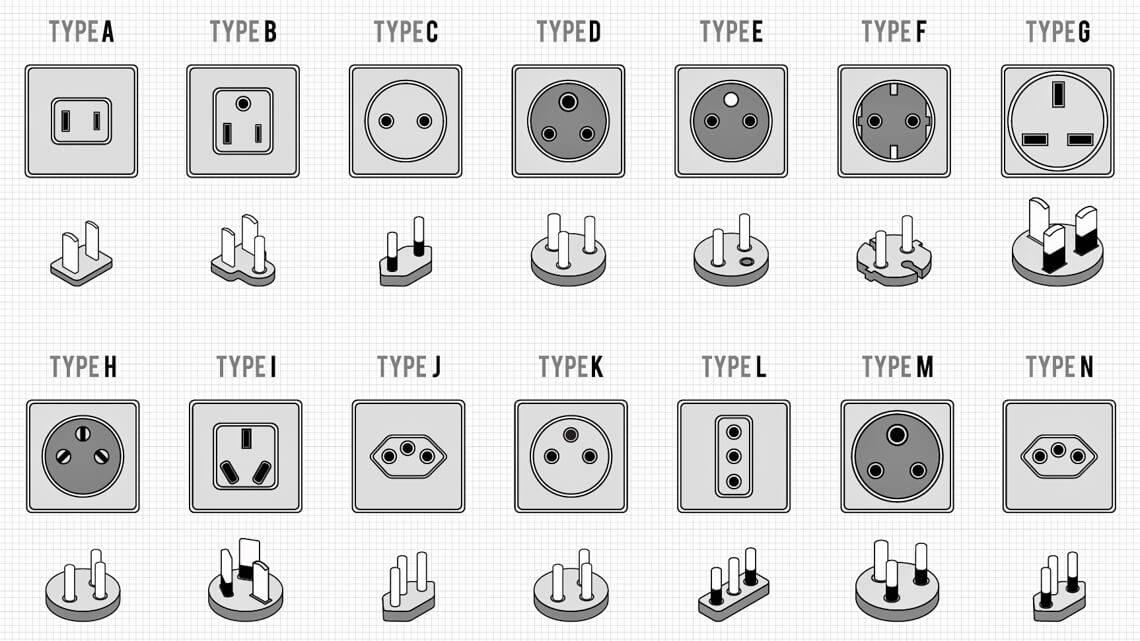
Types of sockets and electrical plugs
- Type A (Flat two-pin plug):
- Countries used: USA, Canada, Mexico, and some Central American and Caribbean countries.
- Voltage capacity: 100-127V.
- Type B (Flat two-pin plug with a round pin):
- Countries used: USA, Canada, Mexico, and some North and Central American countries.
- Voltage capacity: 100-127V.
- Type C (Round two-pin plug):
- Countries used: Most countries in Europe, South America, Asia, and some countries in Africa.
- Voltage capacity: 220-240V.
- Type D (Three square-pin plug):
- Countries used: India, Sri Lanka, Nepal, some countries in South Asia.
- Voltage capacity: 220-240V.
- Type E/F (Two round prongs and grounding plug):
- Countries used: France, Germany, Belgium, Spain, Austria, Russia, and most European countries.
- Voltage capacity: 220-240V.
- Type G (Three square prongs plug):
- Countries used: United Kingdom, Ireland, Hong Kong, Singapore, and some Commonwealth countries.
- Voltage capacity: 220-240V.
Choosing the Right Travel Adapter
When choosing a travel adapter, there are several factors to consider to ensure you select a product that meets your usage needs: