




 English
  Tiếng Việt
 6 things you may not know about phone batteries
Phone batteries have been optimally developed
You may not know, phone batteries or other mobile devices all use Lithium-ion (li-ion) batteries. Battery technology has not made significant progress in the past decade. Technology manufacturers only focus on extending phone battery capacity and saving energy, helping to extend usage time, effective charging and discharging management software...
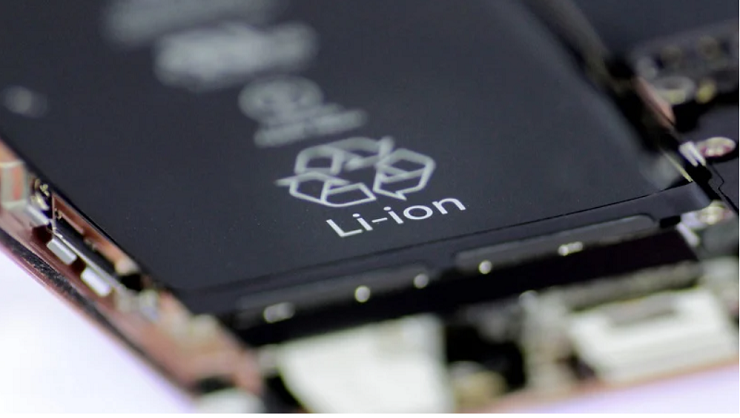
You also should not expect a new type of battery, that is a story for the future, but currently we only focus on solutions to make the battery work better. The usage time and lifespan of a phone battery depend on usage habits and the handling of hardware and software. Manufacturers focus on integrating larger capacity batteries.
Fast charging does not affect the battery
The regular chargers that come with the device usually have a power ranging from 5W to 10W. However, with the outstanding development of current technology, brands continuously launch fast chargers with capacities up to 25W, or even 45W, which shorten charging time.
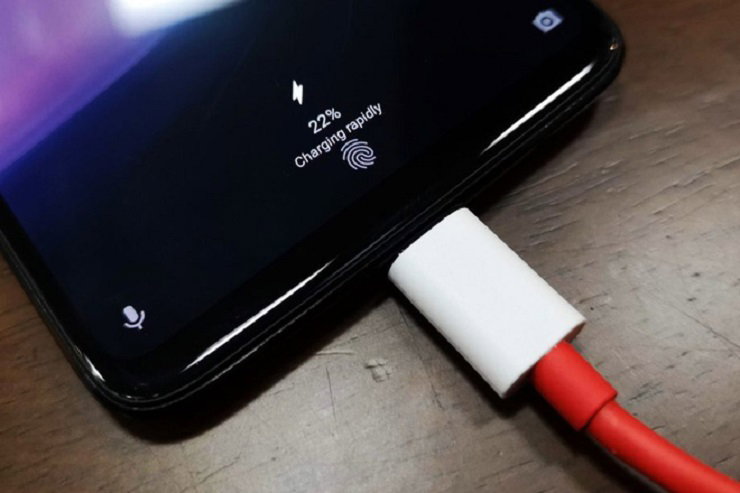
There are many rumors that using fast charging will affect the battery, easily causing battery degradation, so what is the truth? Fast charging does not harm the battery at all, only if your battery is damaged due to technical errors or the charger is short-circuited.
According to experts, the fast charging process includes 2 stages. In the first stage, the voltage is raised to the highest level to charge the battery from 0 to about 50-70% in the fastest time. In this stage, the battery can absorb electricity quickly and does not affect the phone battery.
In the next stage, when the battery reaches 50% or more, the fast charger will automatically reduce the speed, and the charging speed will significantly decrease to avoid causing adverse effects on the battery.
No need to worry about overcharging your phone battery
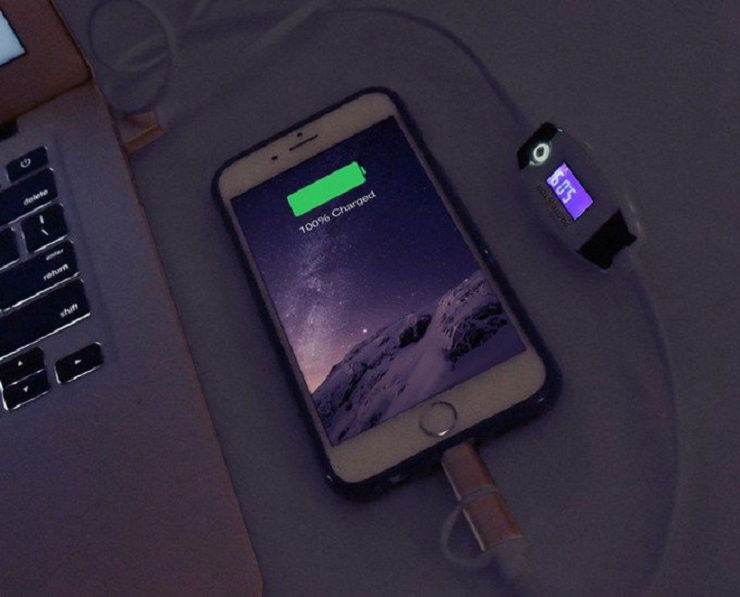
Have you ever thought that continuing to charge your phone when the battery reaches 100% will reduce the battery life and easily cause damage or explosion?
However, most new smartphone models are now equipped with auto-off technology when the battery is fully charged.
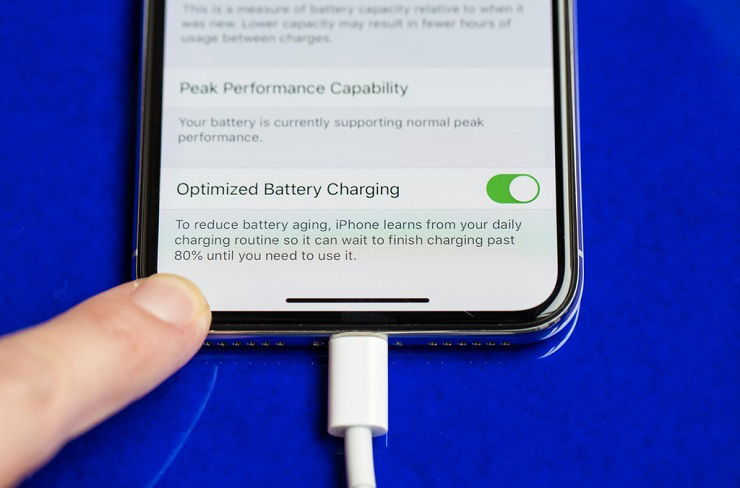
However, in reality, problems may arise during use that you do not know in advance. To be sure, you can charge up to 90% and then unplug the charger. For some iPhone devices, they are equipped with a charging feature and the charging process will end when the phone reaches a battery level of 80%. If you are someone who habitually charges your phone overnight, you can try enabling the optimized battery charging feature to monitor your charging schedule and keep your iPhone battery at 80%.
High temperature can damage your smartphone battery
High temperature is the main factor you should avoid if you want to extend the life of your phone battery, especially in severe cases, an overheated battery can easily lead to explosion.
According to some studies, if the temperature reaches 86 degrees F (30 degrees C), it will reduce the battery's efficiency, so try to keep your device away from places with high temperatures such as direct sunlight, car dashboard areas, etc.
Should not let the battery run out?
Although on smartphones equipped with advanced technologies today, the issue of using up the battery, shutting down, and then charging will not significantly affect the quality of the battery. Because current technologies allow the device to cut off power when it is below 1-2%.
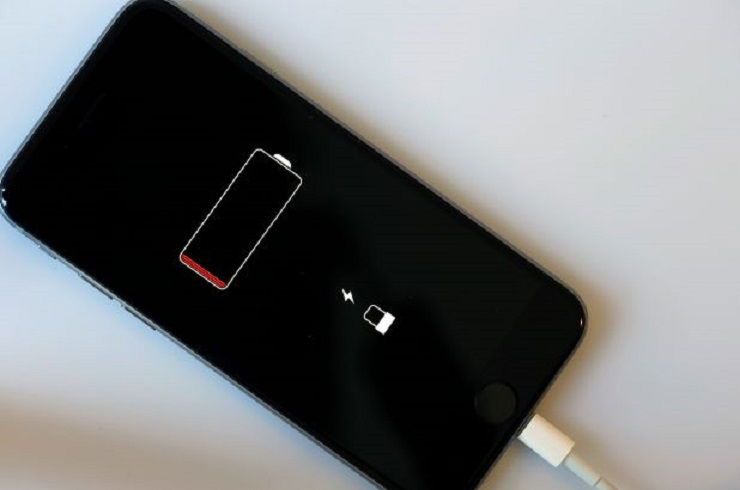
However, according to the advice of some experts, if you are not in a special situation, you should not use your phone until it shuts down before charging. Plug in the charger when the device is below 30%.
Mismatched chargers and cables will not affect the battery
Unless the charger and cable you are using are broken or faulty, otherwise, combining any charger and cable will not have any effect on the phone's battery life, but the charging time may be somewhat affected.
Manufacturers strictly adhere to industry standard rules for fast charging and allow you to charge quickly and efficiently with a variety of compatible cables and chargers.
How to save battery effectively
To save more battery for your phone, users can use some technological tricks or tips to save battery.
Some ways include reducing screen brightness, turning off Wifi and Bluetooth when not in use, limiting background data usage through settings and monitoring applications using GPS, reducing screen timeout, etc.
But the truth is, no matter how carefully we take care of it, the phone's battery will still degrade over time. Hopefully, this article has provided you with useful information. If you have any questions, you can leave them directly in the comments section below for answers.