




 English
  Tiếng Việt
 What is a China travel power adapter?
China travel power adapterthere are a total of four different types of sockets, which are typesA, C, F and I. Each of these socket types has its own unique structure and shape to match the corresponding plugs.
Type A socket: This is the most common type of socket in China. It has two flat slots and is commonly used for electrical devices such as laptops, mobile phones, and tablets.
Type C and F sockets: These two socket types are quite similar. Both Type C and F have two round slots. Type C sockets are commonly used for electrical devices such as USB sockets, phone chargers, and computers. Meanwhile, Type F sockets are commonly used for larger electrical appliances such as air conditioners, refrigerators, and washing machines.
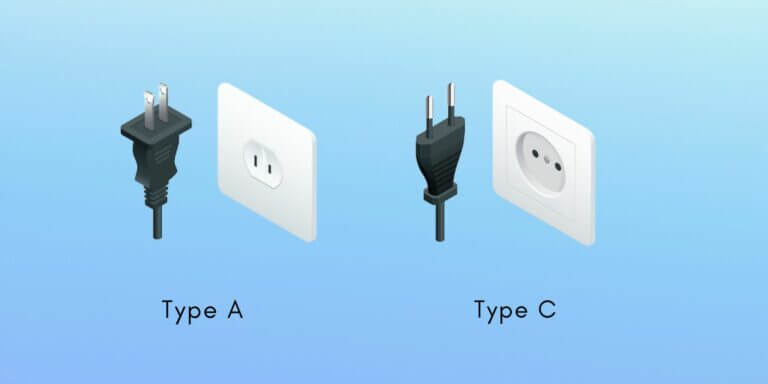
China Type A and Type C power socket
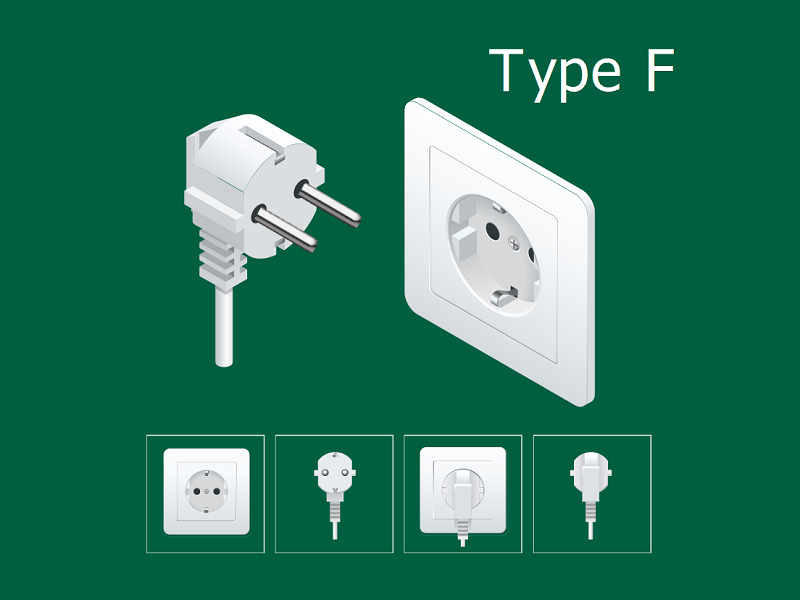
Type F socket
Type I plug: This is a special type of socket in China. It has three flat slots and is commonly used for high-power electrical devices such as generators and industrial equipment.
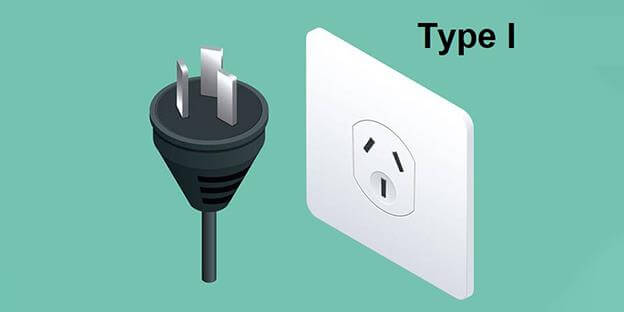
China Type I power socket
If you have a trip to China in the near future, please refer to the products below:
- Travel adapterChina: Ensure you stay connected with your electronic devices.
- Translator deviceChinese: Unlimited communication, making it easy to integrate.
- China SIM Card: Fast and convenient internet access throughout your trip.
With this detailed classification, travelers and users of electricity in China can choose the appropriate plugs and sockets to connect electrical devices to the local power supply safely and efficiently.
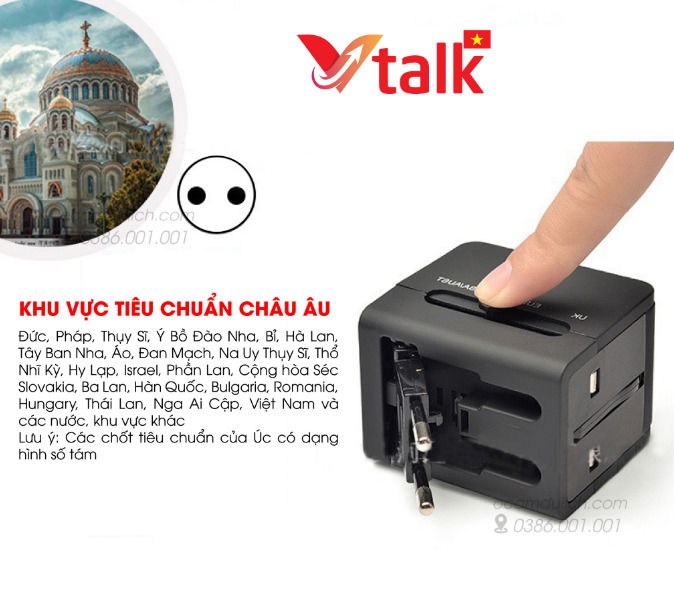
Universal power plug for travelChina
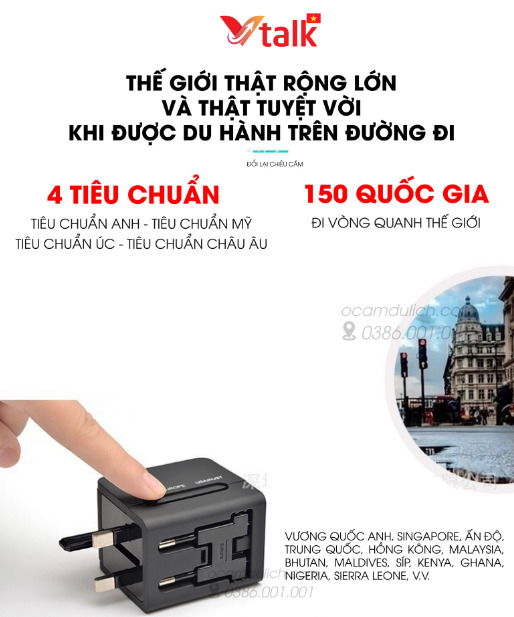
Universal travel adapter plug needed for travel
What power voltage is used in China?
In China, the standard AC power voltage is. If your device does not support a wide voltage range, using a voltage converter along with a travel adapter is essential., 50Hz, similar to most European countries and many countries around the world. This means that electronic devices designed to operate at 230V will work normally when plugged into the power supply in Mongolia. If you are from countries with different electrical systems, such as the United States, which uses 120V, you will need to check if your device supports dual voltage. If not, you will need to use a voltage converter to ensure the safety of your device.. However, it should be noted that frequency and voltage may differ in some special areas such as Taiwan and Hong Kong.
- Taiwan: In Taiwan, the AC power voltage is 110V, which differs from the standard in mainland China. Therefore, if you visit Taiwan, ensure that your electronic devices support or are capable of converting voltage from 110V to 220V for use in accommodations or power outlets.
- Hong Kong: In Hong Kong, the AC power voltage is 200V, also different from the mainland China standard. If you plan to visit Hong Kong, check if your electronic devices support or can convert voltage from 110V or 220V to 200V for safe use.
Therefore, when visiting any region of China, especially Taiwan and Hong Kong, be sure to prepare the correct type of electronics compatible with 110/220V voltage. This ensures that your devices can operate normally and safely while you are visiting or staying in these locations.
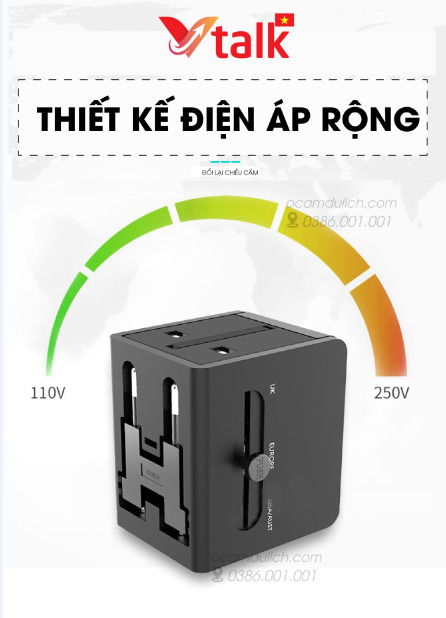
Power voltage used in China is 220V
Are travel power outlets necessary when traveling to China?
Due to the different shapes and voltages of sockets between countries, using a portable plug adapter is often necessary. You can purchase this adapter in your local country from stores like Franzus, or electronics stores like RadioShack and Best Buy. Alternatively, you can also buy it in China.
Most electronic device chargers, such as for mobile phones, tablets, and cameras, can operate normally within a wide voltage range of 110V to 240V. The majority of hotels rated 3 stars and above in China provide both 110V and 220V power outlets in bathrooms, but rooms usually only have 220V outlets.
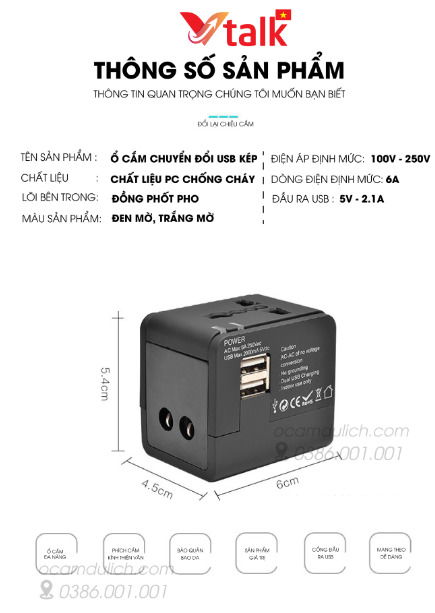
Are travel power outlets necessary when traveling to China?
A few things to note when using Chinese travel power outlets
- Check compatibility: Before using Chinese travel power outlets, ensure that your electrical device is compatible with China's voltage and plug type. Check the user manual or the label on the device to see if it supports 220V voltage and can connect with Chinese plugs.
- Use an adapter (if necessary): If your device is not directly compatible with Chinese outlets, you will need to use a voltage adapter. This adapter will convert the voltage from 220V down to 110V (or vice versa) to ensure safety and efficiency when using your device.
- Learn about the plugs: China uses several different types of plugs, including types A, C, F, and I. Familiarize yourself with the type of plug you need to use and ensure your Chinese travel adapter is compatible with it. If not, you may need to use a plug adapter to connect your device to the Chinese outlet.
- Safety and Quality: Purchase travel adapters from reliable sources and ensure they comply with safety standards. This helps ensure you are using quality products that are safe for both you and your devices.
- Use properly: Install and use the Chinese travel adapter according to the manufacturer's instructions. Make sure you firmly plug the prongs into the outlet to avoid electrical contact loss and the risk of fire.
- Check accommodation: If you are staying in a hotel or accommodation, verify in advance that they provide Chinese travel outlets in your room. This helps you avoid bringing your own adapter and saves space in your luggage.
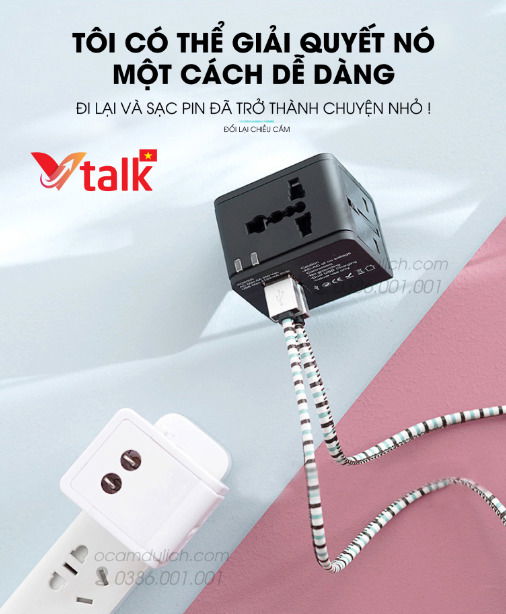
A few things to note when using Chinese travel power outlets
Conclusion
Whether you are going to China, Taiwan, or Hong Kong, preparing the right type of travel adapter will help you avoid unnecessary trouble and enjoy your trip comfortably. Always remember to comply with voltage safety regulations and use the Chinese travel adapter carefully to ensure your safety and that of your devices.Wishing you an enjoyable trip and a wonderful experience in China and its surrounding areas!
Contact us immediately via hotline 19002106 – 0386.001.001 – 0974.051.444 or visit Sahaha's two store branches directly at: Hanoi (368 Lang Street, Dong Da District) and Ho Chi Minh City (194 Cong Hoa Street, Ward 12, Tan Binh District)for the quickest advice!